- +86 757 22367821 [email protected]
- 5 Of No. 39-42, Lintou Business Street, Beijiao Foshan,Guangdong, China
- Sales Director: +86 136 2144 3653
Developing the right size of a competition swimming pool can take some thought. The number of tables required, the seating capacity available and goveming body regulations all influence the best size for you. A competition pool must conform to public pool guidelines in order for the times recorded at a facility to be officially accepted. Let’s dive in a little deeper into how to find the perfect size for a competition swimming pool and some of the common problems faced while doing so.
There is no fixed answer when considering the size of a competition swimming pool. The standard Olympic pool is 50 metres long. This length permits a standard competition swimming pool for long course. The pool width is also generally from 25 meters to allow more lanes for swimmers to race. The depth of the pool is another factor to consider, as most competitive swimming pools are between 1.35 meters to 2 meters deep. This depth is deep enough to allow swimmers to race safely and efficiently.
In addition to the footprint of your pool, the lanes required for competition are also a consideration. A standard r pool has 8 lanes but a bigger Gala or competition may require up to 10 for more swimmers. Lanes have to be minimally 2.5 metres wide, so swimmers can swim without any interference between the lanes. Each lane is 2.5 meters longer than the pool it runs parallel to, to accommodate the starting blocks at one end and the turning space at either end of the lane.
One of the toughest obstacles is that survivor s say they run out of space, and whatÕs more comfortable even than a feather bed? Large swimming meets, however, can be difficult to host since they require at least one 50-meter pool and many jurisdictions lack enough pools where expensive aquatic facilities are affordable. In such situations the organisers may have to look at different size pools or pool configurations if space allows.
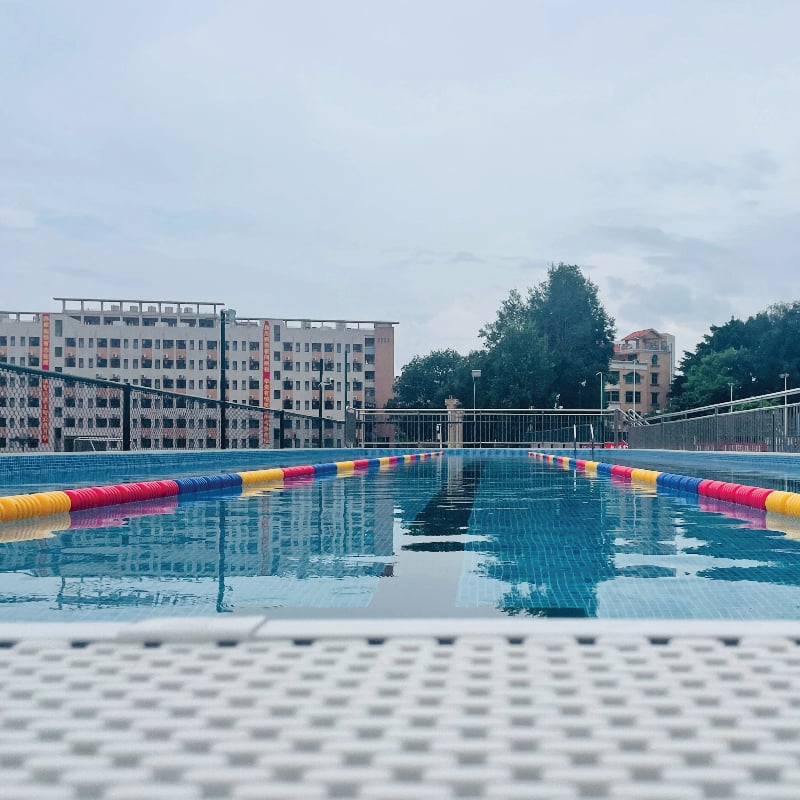
Another challenge is the expense of constructing and upkeeping a competition facility. Larger pools (50 m and 25 m length) have sufficient space for eight or ten lanes, while allowing swimmers to stand." (source.) (Some scenarios call for a much deeper pool.) Large pools require more labor in maintaining water quality, which also also more costly. The challenge for many tournament organizers is striking a balance between the perfect size pool and putting on an affordable event.
The conventional pool length used in the Olympics and other world competitions is a 50-meter long swimming pool. This means swimmers will need to swim 50 meters when they are racing in the pool. Narrowness of Pool Swimming pools are often 25 meters wide which gives swimmers next to each other space to compete (we don’t want swim suits touching hands do we?) Depth of these pools is around 2 mts deep, safe enough space for swimmers to dive and swim without touching the floor.
A normal sized competition pool is about 2 meters (6 feet). This is required to prevent swimmers from striking the bottom of the pool while diving into the water and swimming windsprints in competition. A deeper pool also minimizes the chance of injury if a swimmer strays too deeep or hits the bottom. The depth of the pool also has an effect on keeping water temperature and quality constant, with deeper pools having relatively stable temperatures and better circulation.
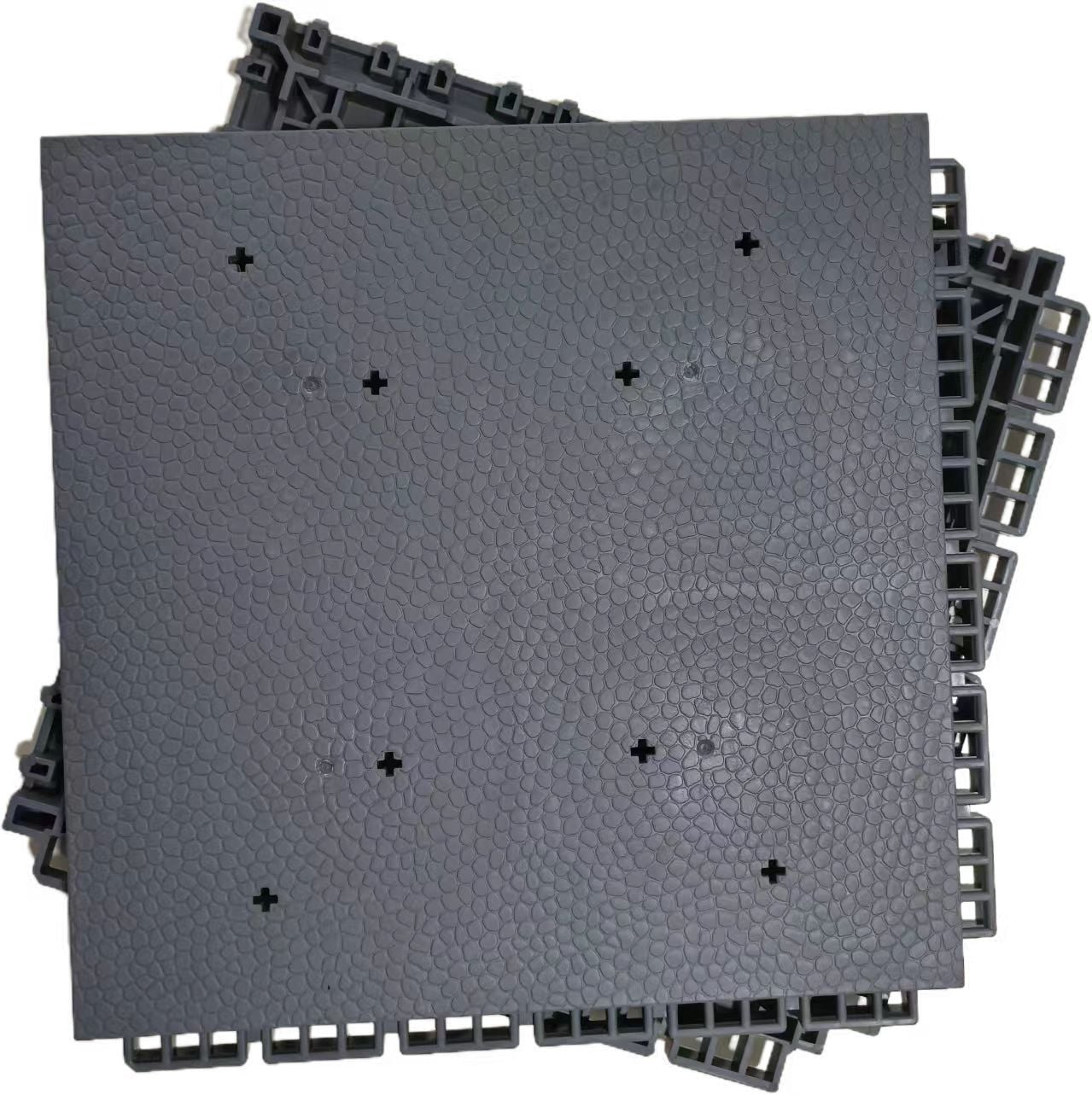
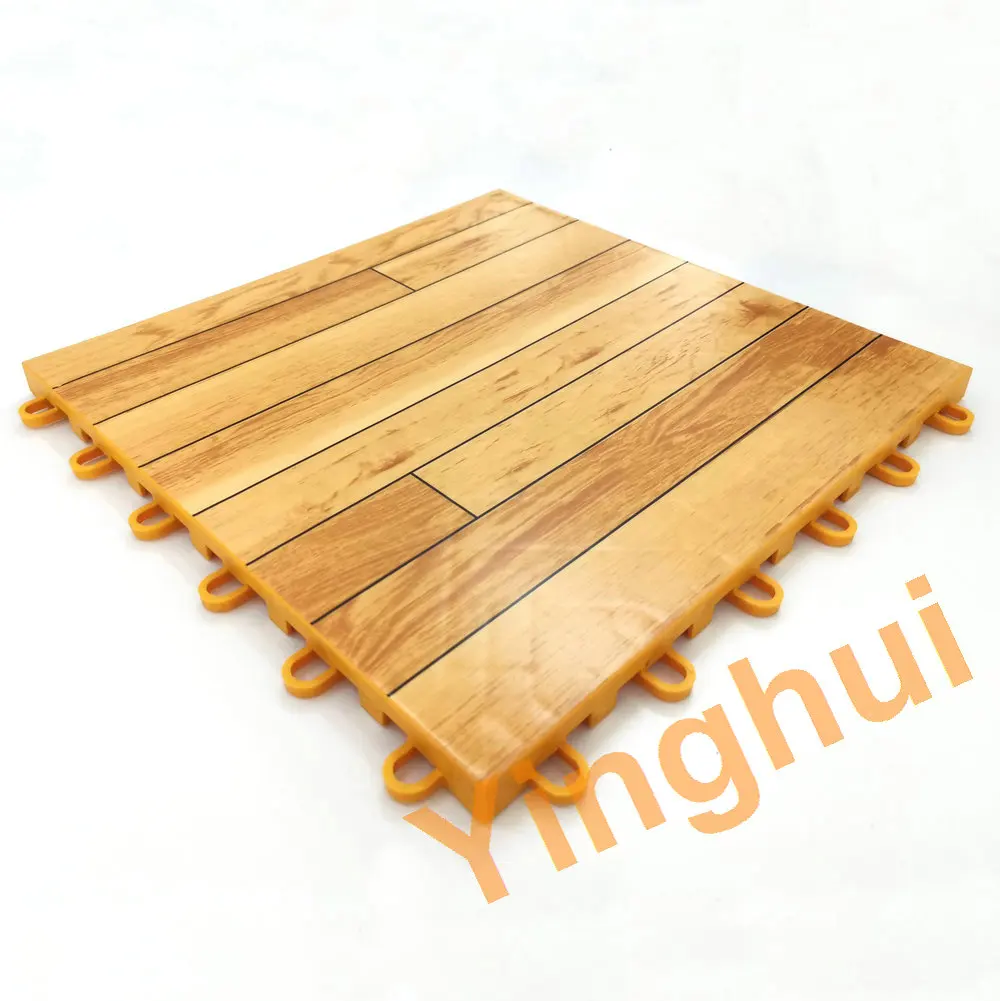
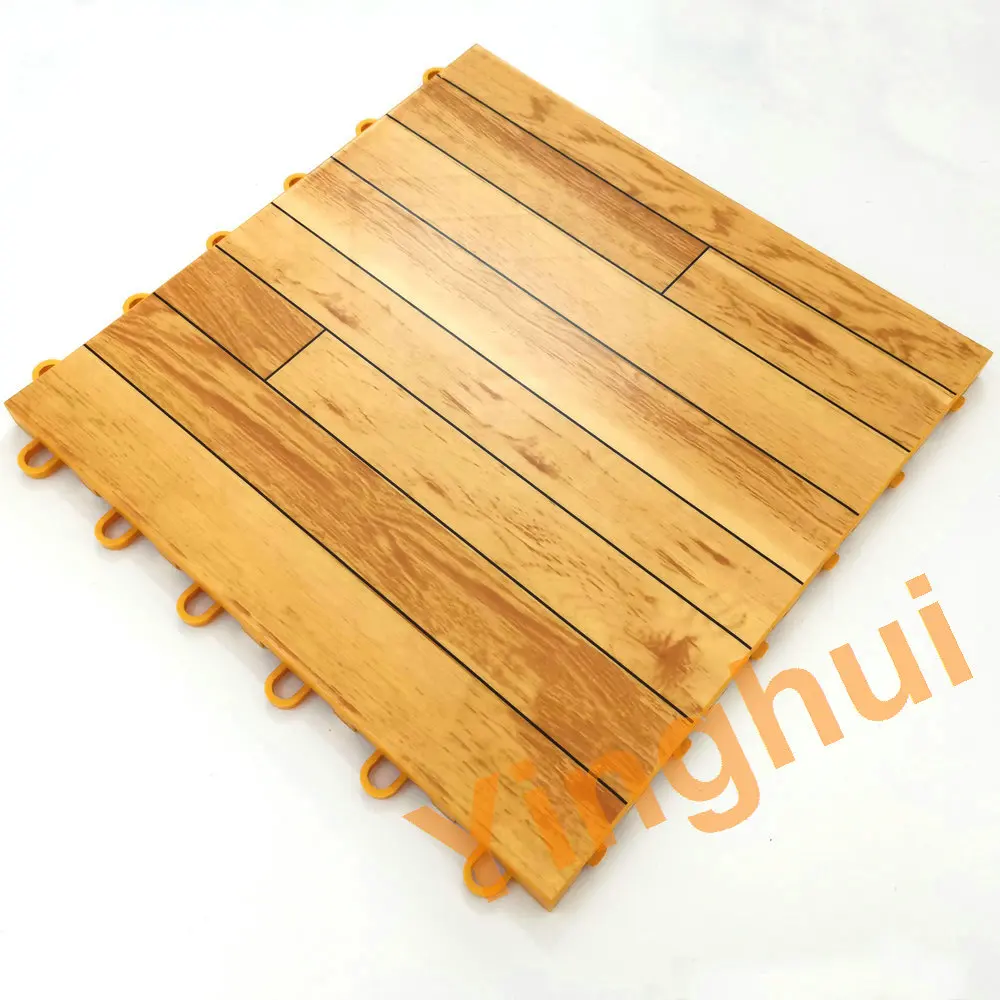
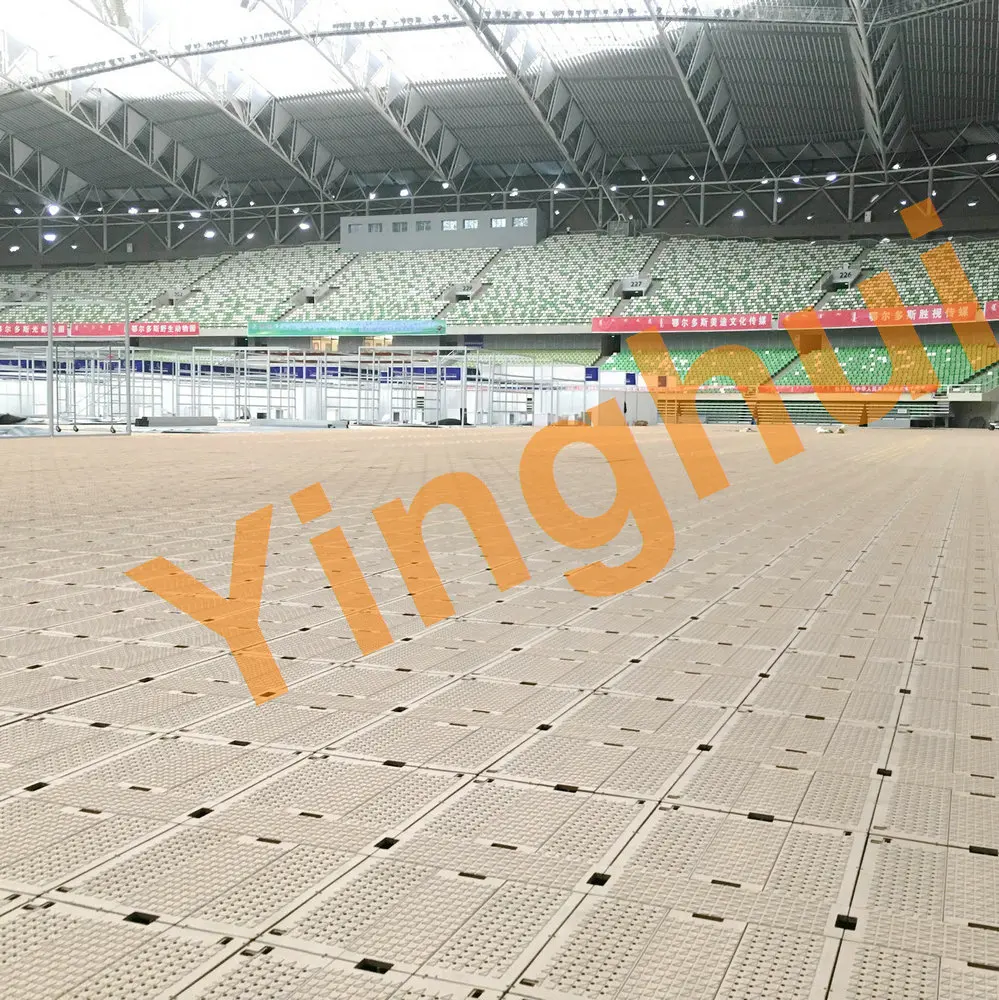
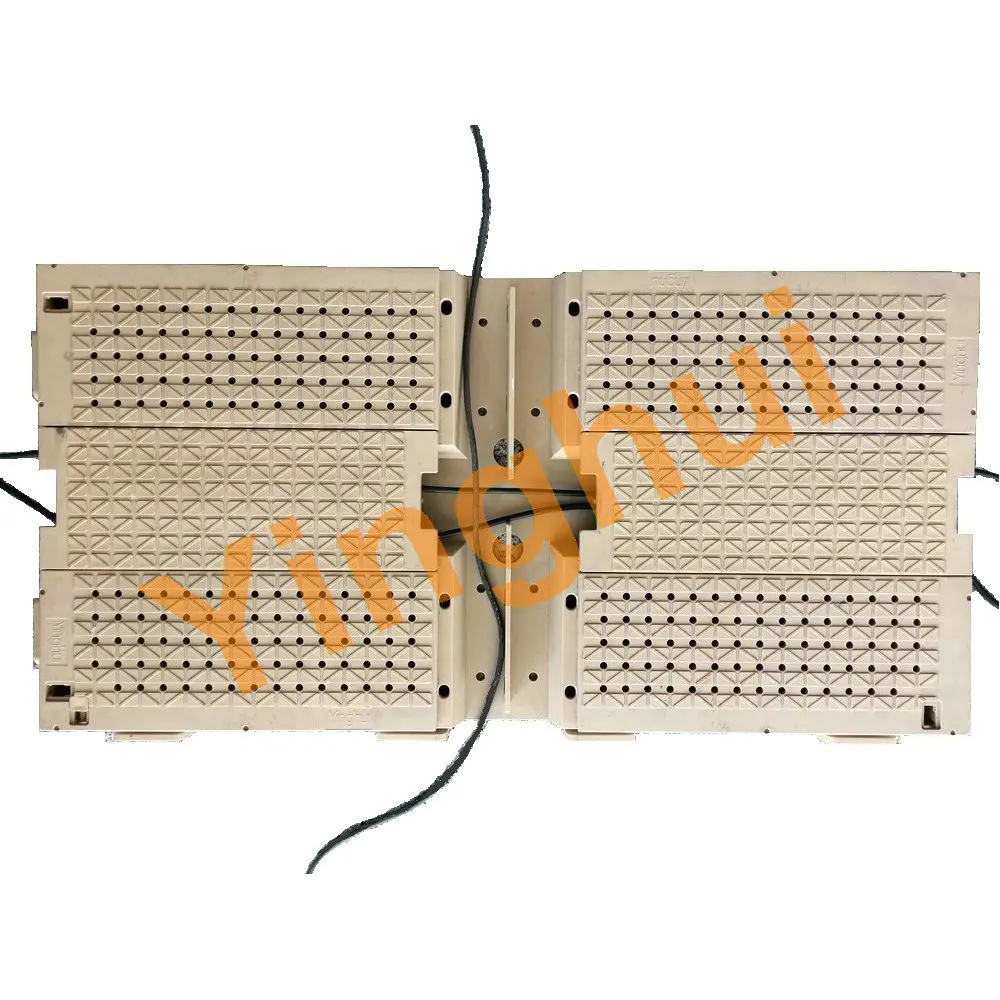
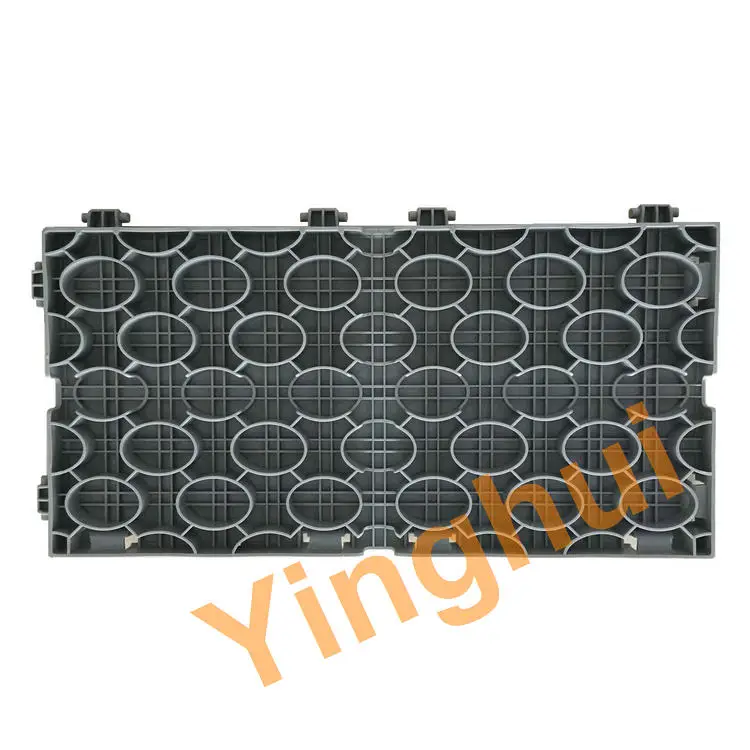
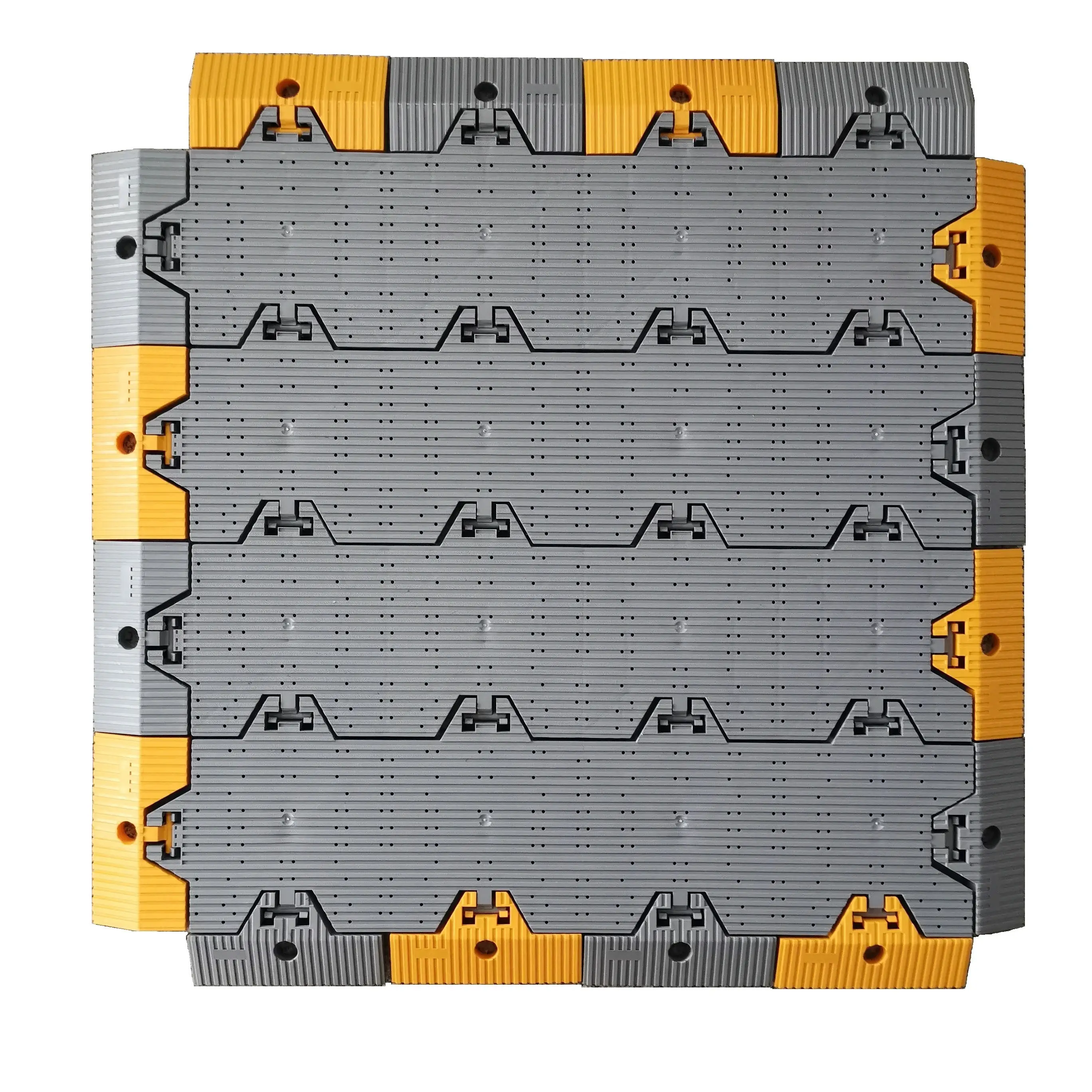
Our interlocking size of swimming pool for competitionsports turf protection flooring been sold to over 72 countries.Some the models covered by its patent and was hit with all kinds of sports stadiums entertainment companies.
We provide size of swimming pool for competition companies other countries. With complete system of services, starting from creation production of plans to the project landing to after-sales services. There is the option of docking.
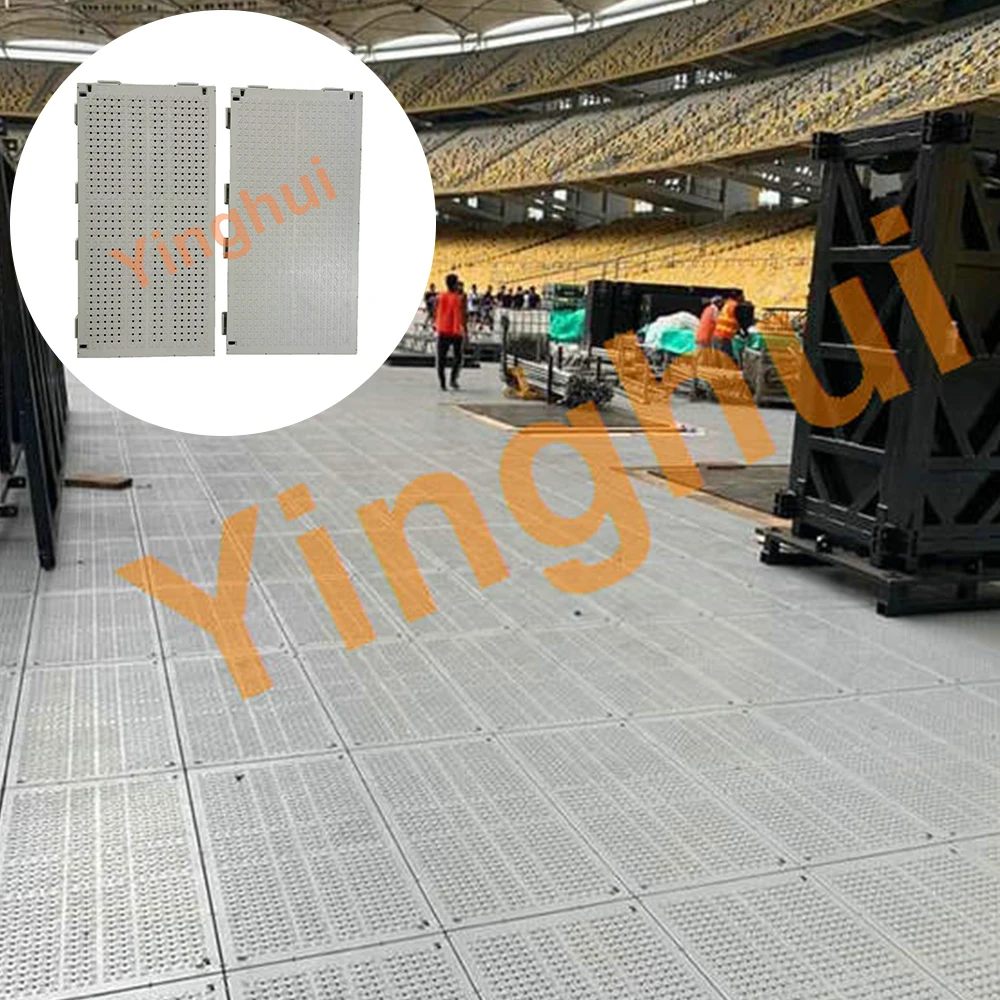
Modular tiles designed to help save customers money labor costs well as speed up installation boost their ROI. Certain size of swimming pool for competitionare popular all kinds of entertainment stadium businesses. In many countries products include the movable floor can moved temporarily used weddings other parties. The floors stadiums are installed for concert venues stages. Floors for turf protection can be found stadium concerts.
We plastic interlocking modular flooring for events and sports manufacturer China. For the last 13 years, have been specializing in designing manufacturing selling temporary stadium venue concert flooring portable tent floors, grass turf protection flooring well as FIBA Approved Modular Sport Flooring. The flooring for events received the CE certification.
Copyright © Guangdong Lokang Sports Technology Co.,Ltd. All Rights Reserved