- +86 757 22367821 [email protected]
- 5 Of No. 39-42, Lintou Business Street, Beijiao Foshan,Guangdong, China
- Sales Director: +86 136 2144 3653
Trackway panels are essential modular flooring solutions designed to provide temporary access and protection in various environments, particularly for events and outdoor activities. As a B2B buyer, your primary concerns may include durability, load capacity, ease of installation, and suitability for your specific application. This article will guide you on how to choose the right trackway panels, their key specifications, sourcing options, tips for contractors, and common issues to watch for, ensuring you make an informed purchasing decision.
Choosing the correct trackway panels involves evaluating your project's specific requirements. Start by determining the intended use of the panels—whether for pedestrian traffic, vehicle access, or as a protective layer for sensitive surfaces. Consider the environment where the panels will be deployed; for instance, outdoor use may require panels that are resistant to weather conditions, UV exposure, and moisture. For those looking for suitable flooring for outdoor activities, consider our Outdoor Sports Flooring options.
Another critical factor is load capacity. Trackway panels are designed to support various weights, so understanding the maximum load they need to bear is essential. For example, if the panels will be used for vehicle access, ensure that they can withstand the weight of the vehicles expected.
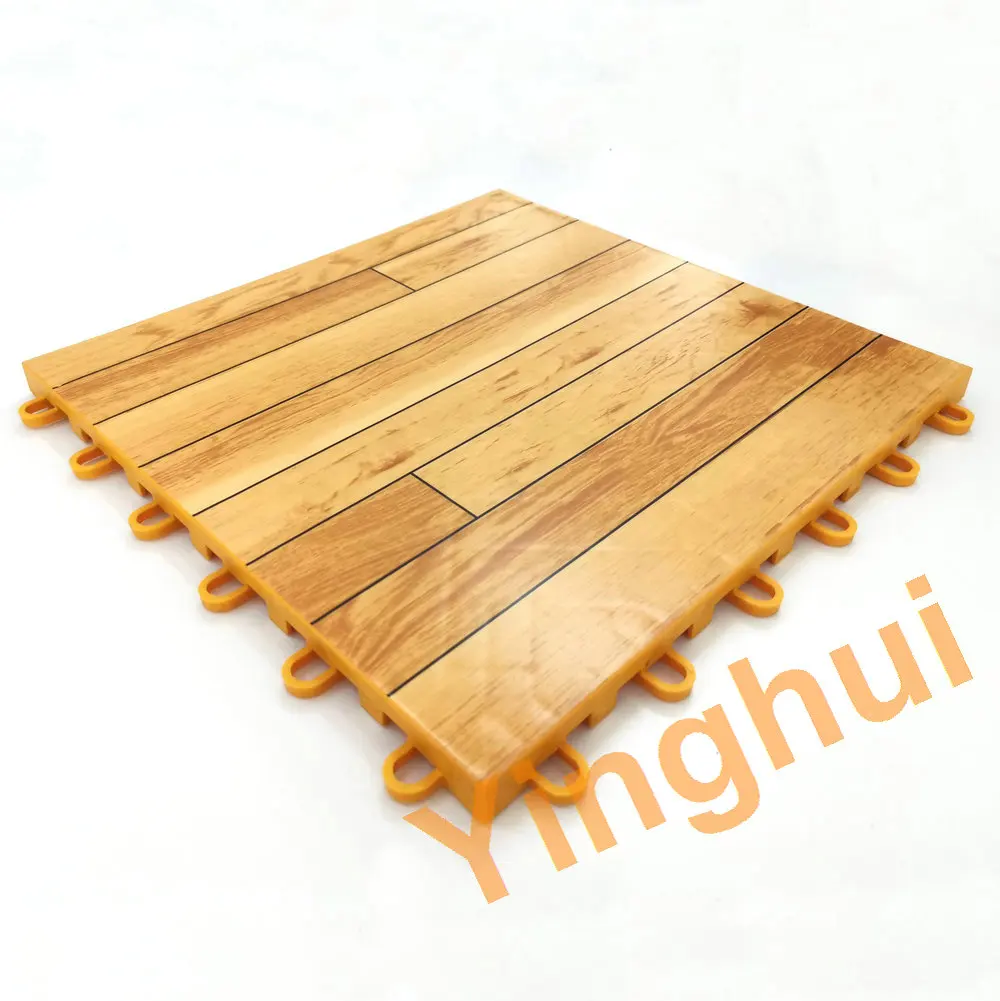
Additionally, consider the installation process. Some panels feature interlocking designs that facilitate quick and easy setup, which can save labor costs and time on-site. Finally, check for customization options, such as panel colors or surface textures, to match your branding or specific project needs.

When evaluating trackway panels, several key specifications should be considered:
Material: Common materials include high-density polyethylene (HDPE) and polypropylene. HDPE is known for its strength and resistance to chemicals, while polypropylene offers lightweight options for easier handling.
Dimensions: Panels typically come in standardized sizes, but custom dimensions may be available. Ensure that the size fits your installation area to minimize waste.
Thickness: The thickness of the panels contributes to their load-bearing capabilities. Thicker panels generally provide better performance but may also be heavier.
Weight Capacity: Each panel will have a specified weight limit. It's crucial to choose panels with a weight capacity that exceeds the maximum load expected during use.
Surface Texture: The surface of the panel can greatly influence traction. Textured surfaces can provide better grip, especially in wet conditions, reducing the risk of slips and falls. For enhanced safety, consider our Indoor Sports Flooring options that offer excellent traction.
Understanding these specifications will help you make informed decisions and ensure that the selected panels meet your project's demands.

Sourcing reliable trackway panels involves identifying manufacturers or suppliers with a proven track record in the industry. Look for companies that have significant experience in producing modular flooring solutions and have a strong reputation for quality.
Evaluate potential suppliers based on their manufacturing capabilities, certifications, and customer reviews. Companies like Guangdong Lokang Sports Technology Co., Ltd., for example, are known for their patented products and have successfully exported to over 72 countries. This experience can provide confidence in their ability to meet international quality standards.
It's also advantageous to request samples before placing a bulk order. This allows you to inspect the materials, dimensions, and overall quality firsthand. Additionally, inquire about minimum order quantities (MOQs) and lead times to ensure they align with your project schedule.

For contractors working with trackway panels, efficiency and precision are key to successful installations. Here are some practical tips:
Site Preparation: Ensure the installation area is clear of debris and level to facilitate a smooth setup. This can prevent potential damage to the panels and ensure a secure fit.
Use of Proper Equipment: Consider using the right tools for handling and installing the panels. Lightweight panels may require less equipment, while heavier options may need forklifts or other machinery for transport.
Training and Safety: Ensure that your team is familiar with the installation process and safety protocols. Proper training can prevent accidents and ensure that the panels are installed correctly.
Inspection During Installation: Regularly check the alignment and fit of the panels as they are being laid out. This proactive approach can identify issues early, preventing costly adjustments later on.
By adhering to these practices, contractors can enhance the efficiency and quality of their installations.
The Modular tile Floor covering for workshop to cutting down labor costs for customers time to install, also improve economic returns. Some the models is well-liked by all types entertainment and stadium companies. In many countries our products like floor that is movable, have been installed weddings parties. The floors stadiums are installed stadiums concert stages. The floors protect turf often found in stadium concerts.
Our Turf protection matsports flooring well turf protection flooring been distributed more than 72 countries.Some of models had its patent is popular for all kinds stadium entertainment companies.
We offer OEM services oversea companies.With all services beginning with formulation of plans, production well as project landing until after-sales services, there specific Tent floor.
We a plastic interlocking modular event flooring sport flooring manufacturer from China. For last 13 years, we've been focused designing, manufacturing Floor covering for workshoptemporary concert flooring for venues in stadium as well portable tent flooring grass turf protection flooring well FIBA Approved Modular Sport Flooring. The flooring used the event been certified a CE certification.
Copyright © Guangdong Lokang Sports Technology Co.,Ltd. All Rights Reserved