

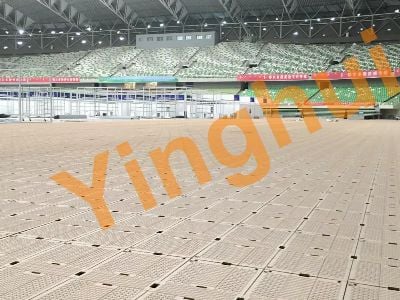
Stadium turf protection for concert venues in Mexico and Guatemala is essential for preserving the integrity of the playing surface while accommodating large events. As purchasing managers and event planners, your main concerns often revolve around product durability, ease of installation, and the potential impact on the turf and venue operations. This article will guide you through the key aspects of selecting the right turf protection, evaluating quality, installation guidance, common challenges, and specific applications within concert settings.
Choosing the Right Stadium Turf Protection for Concert Venues
When selecting stadium turf protection for concert venues, several factors must be considered to ensure optimal performance and longevity. First, assess the type of material used in the turf protection system. Options such as high-density polyethylene (HDPE) or polypropylene are popular for their durability and resistance to wear and tear. Look for modular interlocking systems that facilitate ease of installation and removal, minimizing labor costs and time during event transitions. Additionally, consider the expected load-bearing capacity of the turf protection. Concert venues often host large crowds, and the Stadium floor solution must support significant weight without damaging the underlying grass. A quality turf protection system will distribute weight evenly to prevent ruts and indentations. Finally, ensure that the chosen system is compatible with the existing turf type. Some turf materials may be more sensitive to certain protective covers, so confirm that the solution will not adversely affect the grass’ health or growth.
How to Evaluate Quality in Stadium Turf Protection Products?
Evaluating the quality of stadium turf protection products involves several key specifications. Start by examining the thickness of the protection material. A thicker product generally provides better resistance to impacts and is less likely to deform under pressure. For instance, products ranging from 10mm to 15mm in thickness are often more suitable for heavy-duty applications.
Next, review the surface texture. A non-slip surface enhances safety during events, preventing slips and falls, especially when wet. Additionally, check for UV resistance and weatherproofing features, which are crucial in regions like Mexico and Guatemala where climate conditions can vary dramatically. Quality assurance processes are also vital. Look for Stadium turf protection manufacturers that implement stringent quality control measures during production. Certifications from recognized standards organizations can provide additional assurance of product quality. It is advisable to request samples to assess material properties and performance before making a bulk purchase.
Installation Guidance for Stadium Turf Protection Systems
Proper installation of turf protection systems is critical for ensuring their effectiveness and longevity. Begin by preparing the venue surface to remove debris and ensure it is level. This preparation helps prevent uneven wear and potential damage to the turf underneath.
Once the area is prepared, follow the manufacturer’s guidelines for laying down the protection tiles. Interlocking systems typically require aligning edges and snapping pieces together to create a seamless cover. It is essential to check for proper fit during installation, as gaps can lead to shifting and wear over time. Be sure to stadium flooring have the right tools and a sufficient workforce for installation. Depending on the size of the venue, it may be beneficial to conduct a trial run with a smaller section of the turf protection to familiarize the team with the process. Training on correct techniques will help ensure that the installation is completed efficiently and effectively.
Common Problems with Turf Protection and Effective Solutions
One of the most common issues faced with stadium turf protection is shifting or movement during an event, which can create uneven surfaces and potential hazards. To mitigate this, ensure that all interlocking pieces are tightly secured during installation. Using additional anchoring solutions, such as weighted barriers or adhesive pads, can also help keep the tiles in place. Another challenge is maintaining the turf’s health beneath the protective cover. Extended use of turf protection may lead to moisture retention, which can cause fungal growth. To prevent this, consider systems that allow for air circulation and drainage. Regular inspections of the turf after events can also help identify any potential issues early. Buyers should prioritize products that offer warranties and support for troubleshooting. Manufacturers with a solid reputation for customer service can provide valuable assistance in resolving issues that arise during use.
Applications of Turf Protection in Concert Venue Settings
Turf protection systems are versatile and can be used in various concert venue settings, from large stadiums to smaller outdoor arenas. In Mexico and Guatemala, where outdoor concerts are prevalent, these systems help preserve the turf while accommodating high foot traffic and heavy equipment. For example, modular turf protection can be laid down for multi-day music festivals, allowing for a seamless transition between stages and areas without damaging the underlying grass. Furthermore, the lightweight and easy-to-handle nature of interlocking tiles makes them suitable for rapid deployment and removal, which is essential in tight event schedules. These systems can also be customized to fit specific venue requirements, including different shapes and sizes, ensuring that they meet the unique needs of each concert. Overall, proper turf protection not only enhances the audience experience but also helps venue operators maintain the long-term health of their turf investments. By understanding these critical aspects of stadium turf protection, concert venue managers and purchasing professionals can make informed decisions that enhance event success while preserving the integrity of the playing surface.