

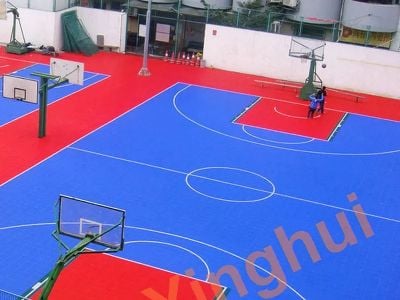
Temporary stadium flooring plays a crucial role in ensuring that sports venues are ready for fast turnarounds between events, especially in Australia where sporting seasons can vary dramatically. With the ability to quickly transform a space for multiple uses, temporary flooring solutions must meet high standards of quality, durability, and ease of installation. This article will guide B2B buyers through key considerations, installation guidance, potential issues, and technical specifications to help them make informed purchasing decisions regarding temporary stadium flooring.
How to Evaluate Quality in Temporary Stadium Flooring Solutions?
When evaluating temporary stadium flooring, buyers should prioritize several critical factors to ensure they select a solution that meets their needs. First, consider the material composition. High-quality modular tiles, such as those manufactured by Guangdong Lokang Sports Technology Co., Ltd., often use durable materials that can withstand heavy foot traffic, weather conditions, and various sporting activities. Look for products that feature UV resistance and moisture protection, which are essential for outdoor applications.
Next, assess the interlocking mechanism of the Temporary flooring over grass for party tiles. A reliable connection can prevent shifts during events, minimizing safety hazards. Review the product's certifications and testing results, as these can provide insights into its performance under stress. Finally, consider the manufacturer's reputation and experience in the industry, as companies with a proven track record are likely to offer quality products that meet stringent safety and performance standards.
Installation Guidance for Temporary Stadium Flooring Systems
Proper installation is vital for maximizing the performance and lifespan of temporary stadium flooring. Begin by ensuring the surface is clean, dry, and free from debris, which can affect the adhesion of the interlocking tiles. It’s recommended to lay the flooring in a staggered pattern to enhance stability and distribute weight evenly.
For larger venues, consider enlisting a professional installation team familiar with the specific flooring system to ensure that it is installed correctly and efficiently. Additionally, confirm that all necessary tools and equipment are available, including cutting tools for edge pieces and protective gear for workers. If your flooring system requires adhesives or additional fastening mechanisms, ensure they are compatible with both the tiles and the underlying surface to avoid potential damage.
Common Problems with Stadium Flooring and Effective Solutions
Even the best temporary stadium flooring can encounter issues. One common problem is tile shifting, which can occur if the interlocking mechanism is not properly utilized or if the surface beneath is uneven. To mitigate this risk, ensure that the flooring is installed on a properly prepared subfloor. Regular inspections during use can also help identify any shifting before it becomes a larger issue.
Another concern is wear and tear from high foot traffic or adverse weather conditions. Selecting products with a higher wear rating and UV resistance can help maintain the flooring's appearance and functionality over time. Additionally, having a maintenance plan in place—such as regular cleaning and inspections—can prolong the life of the flooring.
Wholesale Buying Tips for Temporary Stadium Flooring Products
When buying temporary stadium flooring wholesale, it’s essential to communicate your specific needs to potential suppliers. Clearly specify the type of flooring desired, dimensions, and any customization requirements. Inquire about minimum order quantities (MOQ) and bulk pricing options, as many manufacturers offer discounts for larger orders.
Request samples before finalizing your order to evaluate the product's quality firsthand. This will also allow you to test the flooring's compatibility with your venue's requirements. Furthermore, ensure that the supplier can accommodate your timeline for delivery, as quick turnaround times are often critical in the sports industry. Lastly, verify the supplier’s shipping and packaging methods to minimize the risk of damage during transit.
Technical Specifications of Temporary Stadium Flooring for Buyers
Technical specifications are crucial for understanding the suitability of temporary stadium flooring for specific applications. Key parameters to consider include thickness, load capacity, and material type. For instance, thicker tiles typically offer better shock absorption and durability, making them ideal for high-impact sports. Additionally, the load capacity should align with expected foot traffic and any equipment that will be used on the surface.
When it comes to materials, options should be selected for strength and durability under heavy use, along with resistance to UV light and moisture. Buyers should also consider the surface finish—textured surfaces can provide better traction, which is particularly important for sports applications. Finally, ensure that any chosen system complies with local regulations regarding safety and accessibility.
With these guidelines, buyers can make informed decisions when selecting temporary stadium flooring for fast turnarounds at Australian sports venues. Understanding quality, installation, common issues, wholesale buying tips, and technical specifications will help ensure that the chosen flooring solution meets the demands of the environment and enhances the overall experience for athletes and spectators alike.