

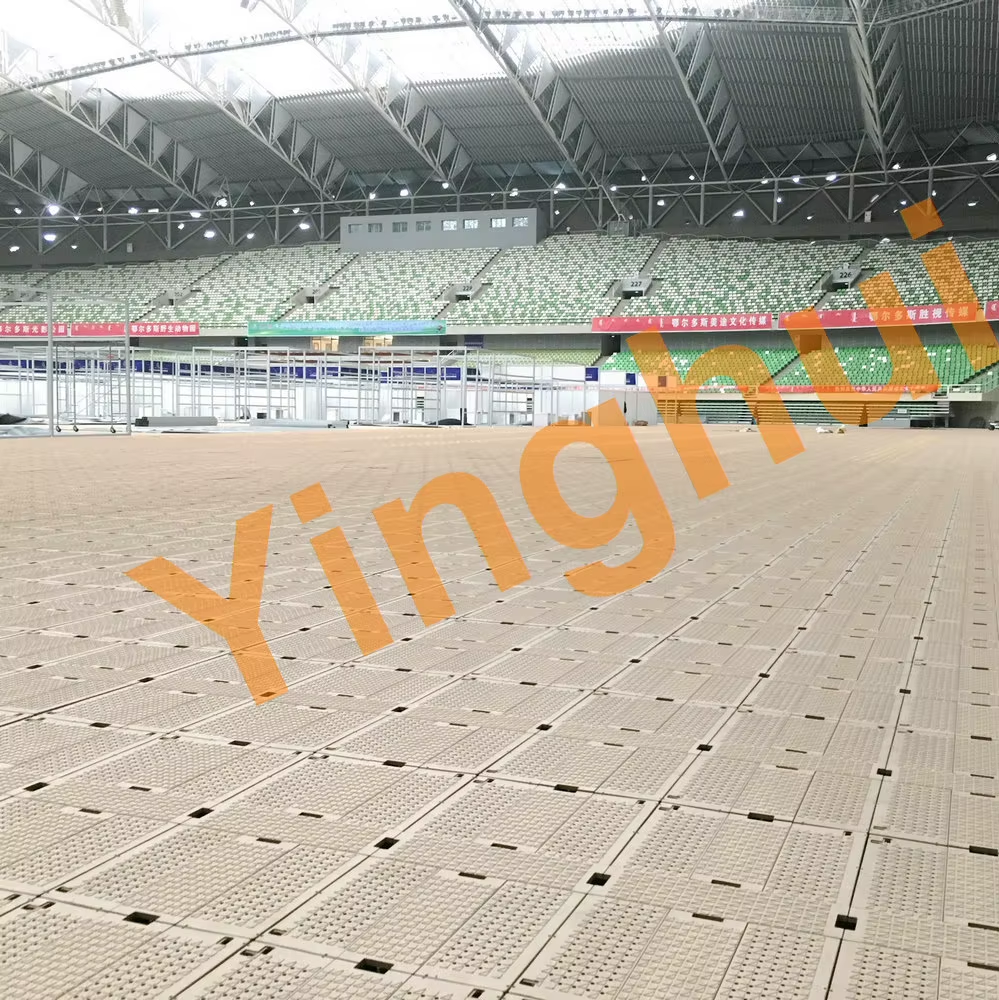
Stadium flooring is a critical investment for venues, impacting not only the aesthetic but also the safety and functionality of the space. However, many procurement teams make mistakes when sourcing stadium flooring. This article outlines the five common procurement mistakes venues make when buying stadium flooring while also addressing how to avoid these pitfalls. By understanding these aspects, purchasing managers and venue operators can ensure they make informed decisions, ultimately enhancing the durability and performance of their flooring solutions.
5 Common Procurement Mistakes in Stadium Flooring
Ignoring Specific Venue Requirements: One of the most prevalent mistakes is not considering the specific needs of the venue. Different events may require varying flooring solutions. For instance, a multi-sport stadium may need stadium turf protection flooring that accommodates both athletics and concerts. Evaluating the types of events hosted can help in selecting the right flooring material.
Overlooking Quality and Performance: Some buyers prioritize cost over quality, which can lead to higher long-term expenses due to maintenance and replacement. It’s crucial to assess the flooring’s durability, slip resistance, and shock absorption capabilities. Choosing low-quality materials may result in safety hazards and increased upkeep.
Failing to Verify Supplier Credentials: Not conducting thorough research on potential suppliers can lead to sourcing inferior products. Buyers should verify the supplier's manufacturing processes, certifications, and previous projects. Engaging with suppliers who have experience in the industry, like Guangdong Lokang Sports Technology Co., Ltd., can provide peace of mind regarding product quality.
Neglecting Sample Testing: Approving a product based solely on specifications can be risky. Buyers should request samples to test under actual conditions, ensuring that the material meets performance expectations. This step helps confirm that the flooring will withstand the stresses of regular use.
Not Planning for Installation and Maintenance: Installation requirements and maintenance protocols are often overlooked during the procurement process. Buyers should inquire about installation guidelines and any special maintenance needed for the flooring material. Understanding these factors can prevent future complications and ensure longevity.
How to Choose the Right Stadium Flooring for Your Venue Needs
Selecting the right stadium flooring involves a comprehensive evaluation of several factors. Begin by identifying the primary uses of the venue—different events may necessitate different flooring types. For example, interlocking sports flooring like those manufactured by Guangdong Lokang can be ideal for multi-sport facilities due to their modular nature, allowing for quick installation and reconfiguration.
Consider the material's properties, such as resilience, slip resistance, and ease of maintenance. It’s also advisable to evaluate the flooring’s compatibility with the venue’s existing infrastructure, including drainage systems and seating arrangements. Budget constraints are important, but prioritizing quality will yield better long-term value. Engage with suppliers to discuss customization options that can enhance the flooring's performance specific to your venue's needs.
Key Specifications to Consider When Sourcing Stadium Flooring
When sourcing stadium flooring, several specifications should be critically evaluated:
Material Composition: The type of materials used affects durability, maintenance, and performance. For instance, rubber stadium temporary flooring provides excellent shock absorption, while vinyl may offer better aesthetics.
Thickness and Dimensions: The thickness of the flooring impacts its durability and cushioning. Ensure the dimensions fit the venue's layout and meet relevant safety standards.
Surface Texture: A suitable surface texture can enhance grip and traction, essential for safety in multi-purpose venues.
Load Capacity: Understand the weight limits of the flooring to ensure it can withstand high foot traffic and heavy equipment during events.
Installation Method: The ease of installation can significantly affect project timelines and costs. Opt for flooring systems that allow for quick setups, like interlocking tiles, which minimize downtime.
Buyers should always confirm these specifications with the manufacturer to ensure they meet the venue's requirements.
What Makes Durable Stadium Flooring Solutions?
Durable stadium flooring solutions are characterized by high-quality materials and robust manufacturing processes. For instance, interlocking tiles designed for outdoor use should be UV resistant and moisture-proof to withstand various weather conditions.
Another aspect of durability is the flooring's ability to maintain its integrity under heavy use. Look for products that have been tested for wear resistance and can handle the impact of sports equipment and foot traffic without deteriorating.
Additionally, quality control measures during production play a crucial role. Suppliers should provide documentation of their testing processes to ensure that each batch of flooring meets established performance criteria. This diligence prevents costly replacements and repairs down the line.
Where to Find Reliable Suppliers for Stadium Flooring Products
Finding reliable suppliers for stadium flooring products requires thorough research and networking. Start by reaching out to industry associations and attending trade shows focused on sports and recreational facilities. These events offer opportunities to connect with reputable manufacturers and see their products firsthand.
Online research can also yield valuable insights. Look for suppliers with a strong track record in the industry, like Guangdong Lokang Sports Technology Co., Ltd., known for their patented interlocking sports flooring solutions. Customer reviews and case studies can provide insight into the supplier's reliability and product quality.
When evaluating suppliers, consider their manufacturing capabilities, customization options, and after-sales support. Ensure they can meet your specific requirements, including timelines and quality standards, before making a commitment. Engaging with multiple suppliers can also provide a range of options, helping you make a well-informed decision tailored to your venue's needs.
By avoiding common procurement mistakes and carefully considering the specifications and suppliers, venues can invest in stadium flooring that enhances their facilities while meeting the demands of their events.