

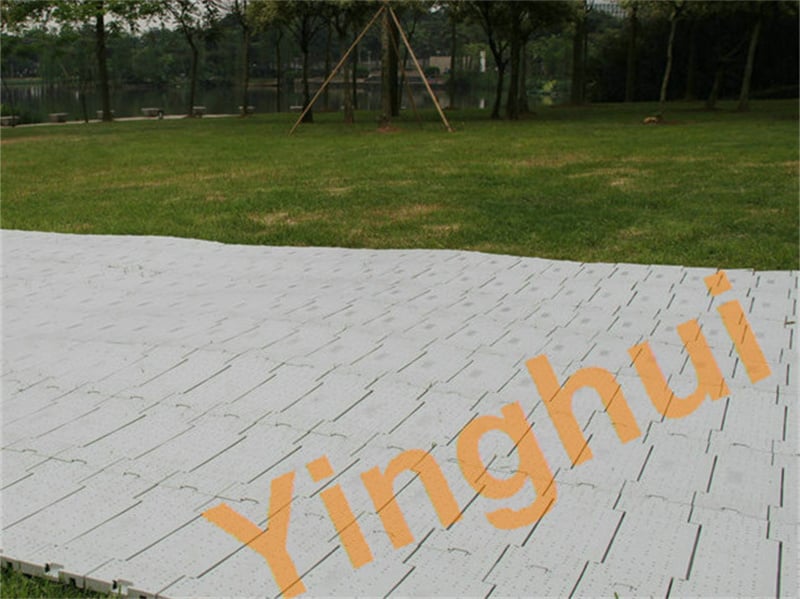
Installing durable flooring in a stadium is not just about looks; it’s about safety, comfort, and making sure everyone has a great time at events. Yinghui is here to help you understand how to get quality stadium flooring installed quickly and efficiently. This process is important for making sure that fans, athletes, and staff can enjoy their experience without worrying about the ground they are standing on. Let's dive into the benefits of having good flooring and how to install it step by step.
What are the Benefits of Installing Quality Stadium Flooring?
There are many great reasons to install quality stadium flooring. First, it provides safety. When people run, jump, and walk on the floor, they need a surface that can handle a lot of activity without causing slips or falls. Durable lawn protection mat can be made from materials that offer grip and support to prevent accidents. Second, good flooring can handle different weather conditions. If it rains or snows, quality flooring will not get damaged. This means the stadium can be used more often, no matter the weather. Third, durable flooring can last a long time. Investing in good materials now means that you won’t have to replace the floor often, saving money in the long run. Another benefit is that it can improve the look of the stadium. Bright and unique flooring can make the place more inviting for fans. Plus, it can be customized to show team colors or logos, adding a special touch. Finally, good flooring can also help with noise reduction. In a stadium, sounds can echo a lot. Quality flooring can absorb some of that noise, making the experience better for everyone. So, when you think about installing stadium flooring, remember these benefits. They help create a safe, beautiful, and enjoyable place for all.
Step-by-Step Guide
Installing stadium flooring might seem like a big job, but breaking it down into steps makes it easier. Here’s how to do it efficiently. First, you need to plan. Measure the area where the flooring will go. Make sure to take note of any special needs, like drainage systems or seating arrangements. Next, gather all the materials you will need. Quality flooring from Yinghui is a must, which includes the base layer, adhesive, and finishing touches. It's important to have everything ready before you start. After that, prepare the ground. This means cleaning the area and ensuring it is level. Any bumps or holes can cause problems later. Once the ground is ready, you can lay down the base layer. This layer is crucial because it gives support to the flooring above. Use a level to check that everything is even. After the base layer is in place, it’s time to apply the adhesive. Make sure to follow the instructions carefully. Next, carefully install the flooring pieces. Start from one corner and work your way out, pressing down firmly to avoid air bubbles. Once everything is laid down, it’s time to let the adhesive dry. This can take several hours, so be patient. Finally, inspect the flooring to ensure everything is perfect. Check for any loose areas or imperfections. If everything looks good, it’s time to enjoy your new stadium event floor! Each step is important, and taking your time will ensure a quality result that lasts.
Where to Find Wholesale Durable Stadium Flooring Suppliers
Finding the right supplier for durable stadium flooring is really important if you want to get the best quality at a good price. One great place to start looking is online. You can search for suppliers that focus on flooring for sports and stadiums. Websites that specialize in building materials often have sections dedicated to flooring. Make sure to look for companies that have good reviews, as this can help you choose a reliable supplier.
Another option is to visit local trade shows or exhibitions. These events often feature many suppliers who sell stadium Car show flooring. You can see the products in person, which is very helpful. You can also ask questions and get advice from the suppliers directly. This way, you can compare different types of flooring and find the one that fits your needs.
You can also reach out to your local sports teams or stadiums. They might have recommendations on where to buy flooring. Sometimes, they have partnerships with suppliers that can give you better deals. Don’t forget to check community boards or online forums. There are many people who have experience with stadium flooring and can share their tips on the best suppliers to use.
When you contact suppliers, ask about their wholesale pricing. This can save you a lot of money if you're buying in bulk. You should also ask about delivery times. You want to make sure your flooring arrives when you need it. Remember to ask about warranties or guarantees too. A good supplier will stand behind their products, ensuring that the flooring you buy is durable and long-lasting.
What Types of Stadium Flooring Are Most Popular for Wholesale Buyers?
When it comes to stadium flooring, there are several types that are popular among wholesale buyers. One common choice is rubber flooring. Rubber is tough and can handle a lot of wear and tear. It is also great for areas where athletes will be running or playing sports. Rubber flooring comes in lots of colors and styles, which allows stadiums to pick designs that match their teams' colors.
Another popular option is artificial turf. This is often used for football and soccer fields. Artificial turf looks like grass but is much easier to maintain. It doesn’t need watering or mowing, which saves time and money. Many teams choose this type of flooring because it can be used all year round, no matter the weather.
Hardwood flooring is also a favorite, especially for indoor stadiums. This type of flooring is often used for basketball courts. Hardwood floors provide a great playing surface and can last for many years if taken care of. They also look nice and can give the stadium a professional appearance.
Vinyl flooring is another option that buyers like. It is versatile and can be used in many areas of a stadium. Vinyl comes in many designs and colors, making it easy to customize. It is also water-resistant, which is a plus if there are spills or rain.
In short, there are many types of flooring available for stadiums. When choosing, it’s important to think about what sports will be played, how much foot traffic the area will have, and how easy the flooring will be to maintain. Each type has its own benefits, and picking the right one will help ensure your stadium looks great and lasts a long time.
How to Troubleshoot Your Stadium Flooring
Sometimes, even the best stadium flooring can have problems. Knowing how to troubleshoot these issues is important if you want to keep everything in top shape. The first step is to regularly check the flooring for any signs of damage. This includes looking for cracks, bumps, or anything that seems out of place. If you see something, don’t wait too long to fix it. Small problems can turn into big issues if not addressed quickly.
If you have rubber flooring, make sure to check for any tears or worn-out areas. You can fix small tears with special adhesive made for rubber. If the flooring is very damaged, you might need to replace that section. For artificial turf, check for any spots that are coming loose or have become flat. You can often pull the turf back and re-secure it to fix these problems.
For hardwood floors, it is important to keep them clean and dry. Use a soft broom or mop to remove dirt. If you notice water damage or warping, it might be necessary to replace some of the boards.
Vinyl flooring can also have issues, like bubbling or peeling. If this happens, you can sometimes push the bubbles out by applying pressure. If the flooring is peeling, you may need to reapply adhesive or replace the affected area.
Overall, being proactive with maintenance is key to keeping your stadium flooring in great condition. Regular checks and quick fixes will save you time and money in the long run. If you find a problem that you can’t fix on your own, don’t hesitate to reach out to a professional. They can help you figure out the best solution to keep your flooring looking and performing its best.