

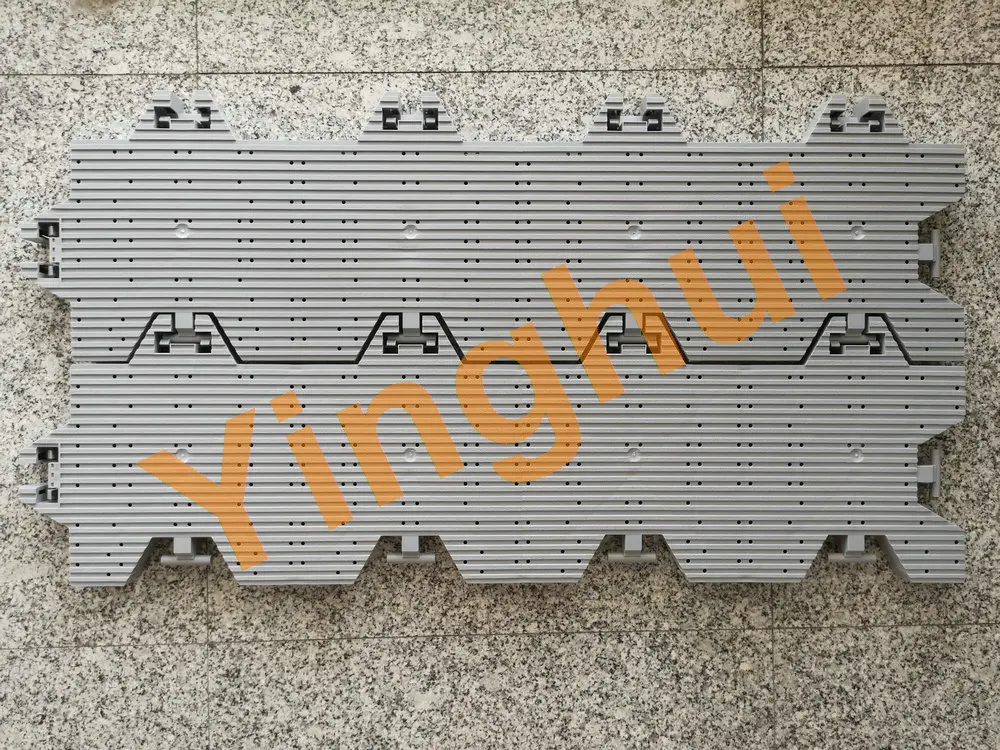
Temporary stadium flooring solutions are crucial for event venues in Venezuela and Ecuador, where flexibility and durability are paramount. These flooring options not only enhance the aesthetic appeal of temporary setups but also ensure safety and performance during events. For purchasing managers and venue operators, understanding the specifications, installation processes, and pricing of temporary stadium flooring is essential to make informed decisions. This article will provide insights into choosing the right flooring, installation guidance, pricing considerations, specifications to look for, and various applications of temporary stadium flooring.
How to Choose Temporary Stadium Flooring for Your Venue in Venezuela
Selecting the right temporary stadium flooring involves evaluating several key factors. First, consider the type of events your venue will host. For sporting events, the flooring must provide adequate traction and support for athletes. In contrast, for concerts or exhibitions, aesthetic appeal and comfort may be more important.
Next, assess the expected foot traffic and load requirements. High foot traffic areas will require more durable materials that can withstand wear and tear. Look for options that feature interlocking tiles, as these not only offer ease of installation but also allow for quick repairs if a tile becomes damaged.
Finally, consider environmental conditions. Venezuela and Ecuador can experience diverse weather patterns, so choose flooring that is resistant to moisture and temperature fluctuations. Products made from high-quality materials, like those offered by Guangdong Lokang Sports Technology Co., Ltd., are designed to meet these challenges while providing a reliable and attractive surface.
Understanding Pricing for Temporary Stadium Flooring Solutions
When budgeting for temporary stadium flooring, several factors influence pricing. Material type is one of the most significant cost determinants. For instance, high-performance PVC tiles may be pricier but offer better durability and safety features compared to standard plastic options.
Another aspect to consider is the size and area coverage. Larger venues will require more flooring, thereby increasing costs. Custom designs or branding on the flooring can also affect the price, as these require additional manufacturing processes.
Installation costs should not be overlooked. While some flooring systems are designed for easy DIY installation, others may necessitate professional installation, which can significantly add to overall expenses. It's advisable to get quotes from multiple suppliers to compare prices and ensure you're getting the best value for your investment.
Installation Guidance for Temporary Stadium Flooring in Sports Venues
Proper installation of temporary stadium turf protection flooring is critical for ensuring performance and longevity. Before beginning, ensure that the subfloor is clean, dry, and level. Any irregularities can lead to unexpected wear or safety hazards during events.
For interlocking tiles, lay the tiles in a staggered pattern to enhance stability. This method helps distribute weight evenly and prevents movement during use. Always follow the manufacturer's guidelines for installation, as they will have specific recommendations based on the flooring type.
After installation, conduct a thorough inspection to ensure all tiles are securely in place and check for any visible defects. It's recommended to allow the flooring to acclimate to the venue's temperature and humidity for at least 24 hours before the first event to prevent expansion or contraction issues.
Specifications to Consider for Temporary Stadium Flooring Products
When evaluating temporary stadium flooring, several specifications should be considered to ensure optimal performance:
Thickness: The thickness of the tiles can affect both durability and comfort. Thicker tiles generally provide better cushioning and resistance to impacts.
Material Composition: Look for flooring made from high-quality materials that are UV-resistant, waterproof, and suitable for heavy foot traffic.
Weight Capacity: Verify that the flooring can support the weight of expected equipment and attendees. Manufacturers often provide load ratings for their products.
Surface Texture: A textured surface can enhance traction, reducing the risk of slips and falls, especially in wet conditions.
Ease of Cleaning: Consider how easy it is to clean and maintain the flooring. Some materials may require specific cleaning solutions or processes.
By paying attention to these specifications, you can select flooring that meets your venue’s specific needs and enhances overall safety and performance.
Applications of Temporary Stadium Flooring in Event Venues and Stadiums
Temporary stadium flooring has diverse applications in event venues, from sports to concerts and exhibitions. In sports venues, the flooring can provide a safe playing surface for athletes, while also protecting the underlying ground from damage during high-impact activities.
For concerts, temporary flooring enhances the aesthetic appeal of the stage and audience areas while providing a cushioned surface that can withstand heavy equipment. Additionally, during trade shows or exhibitions, the flooring can be customized with logos or branding, making it an integral part of the marketing strategy.
Moreover, temporary flooring is advantageous for outdoor events, as it can be laid over grass or uneven surfaces, providing a stable and level area for attendees. The modular nature of products like those from Guangdong Lokang Sports Technology Co., Ltd. enables quick setup and takedown, catering to the fast-paced demands of modern events.
In summary, when selecting temporary temporary stadium flooring for venues in Venezuela and Ecuador, understanding the various aspects from choice to installation and application is crucial. By focusing on the right specifications and installation practices, you can ensure that your events run smoothly and safely, ultimately enhancing the experience for all participants.