- +86 757 22367821 [email protected]
- 5 Of No. 39-42, Lintou Business Street, Beijiao Foshan,Guangdong, China
- Sales Director: +86 136 2144 3653
Rolling floors are modular flooring systems designed for various applications, particularly in sports and entertainment venues. They not only provide aesthetic appeal but also functionality, ensuring a safe and durable surface for activities. As a purchasing manager, distributor, or engineer, understanding the nuances of rolling floors is crucial. This article will guide you through evaluating suppliers, cost considerations, installation guidance, common problems, and diverse applications of rolling floors, helping you make informed decisions for your upcoming projects. Swimming Pool systems can also benefit from the insights shared in this article.
When selecting a supplier for rolling floors, it's essential to assess their reliability through several key factors. Start by examining their manufacturing capabilities and production equipment. A reputable supplier should have advanced machinery that ensures precision in the production of modular tiles, contributing to the overall quality of the flooring.
Additionally, inquire about their quality control processes. A supplier with a robust quality management system will typically conduct thorough inspections at various production stages to minimize defects. Certifications can also serve as indicators of reliability; while specific certifications weren't mentioned, look for those related to safety, quality management (like ISO), and environmental standards.
Finally, consider the supplier's export experience. A supplier like Guangdong Lokang Sports Technology Co., Ltd., which has successfully delivered products to over 72 countries, demonstrates an ability to navigate international markets and adapt to diverse regulations and standards. This experience is invaluable in ensuring timely delivery and compliance with local requirements.
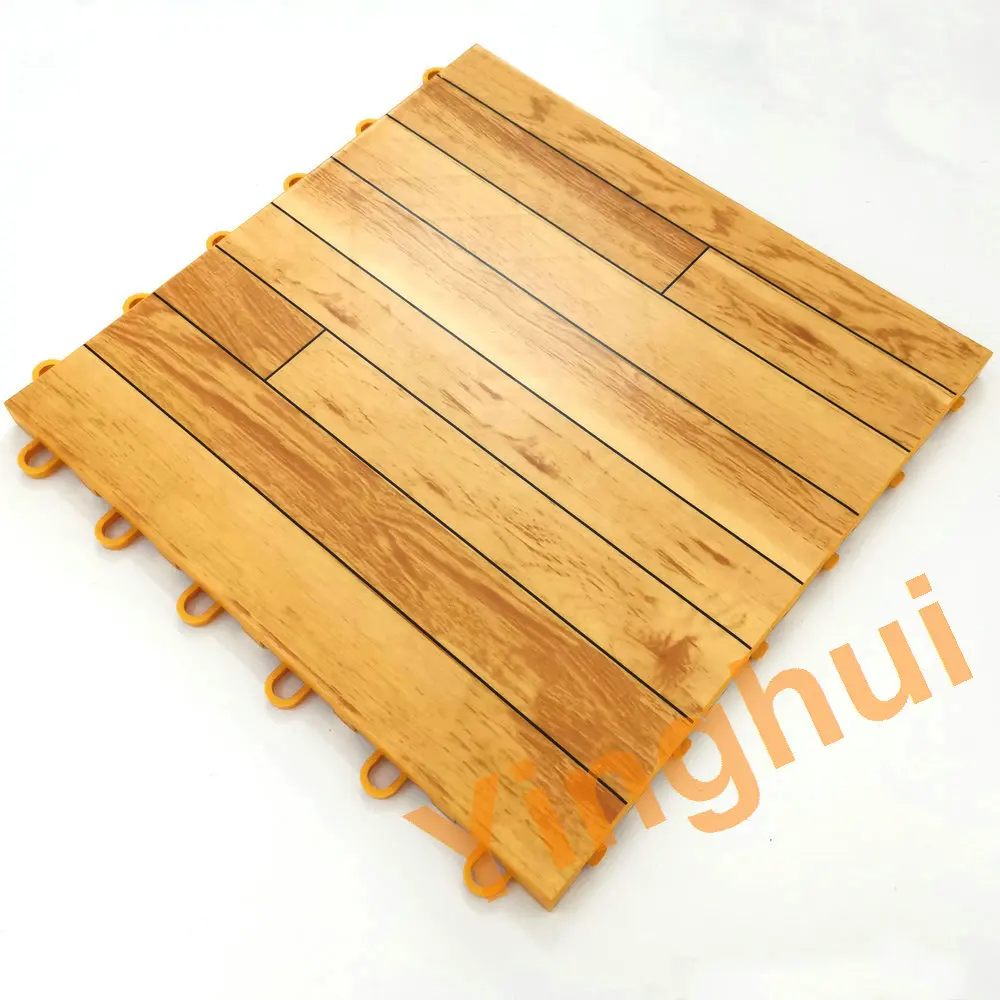
The cost of rolling floors can vary significantly based on several factors. First, consider the material used in the flooring. Different materials can influence not only the initial cost but also long-term maintenance and durability. For instance, high-density polyethylene (HDPE) tiles may have a higher upfront cost but offer superior durability and lower maintenance over time.
Another cost factor is the customization of the flooring. Custom colors, designs, or sizes can lead to additional expenses. Be clear about your requirements before requesting a quote to avoid unexpected costs later.
Minimum order quantities (MOQ) can also affect pricing. Suppliers often have MOQ requirements, which means you may need to order more than you initially planned, impacting your overall budget. Understanding lead times is crucial as well; longer lead times may necessitate advanced planning and could affect project timelines.
Lastly, consider shipping costs, which can vary based on the destination and order size. Always clarify the total landed cost, including shipping, to avoid budget overruns.

Proper installation of rolling floors is critical to ensure their longevity and performance. Before beginning, assess the subfloor to ensure it is clean, dry, and level. Any imperfections can lead to issues like uneven surfaces or premature wear.
It’s advisable to work with experienced installers familiar with rolling floor systems. They should be trained in the specific installation methods recommended by the manufacturer. For example, interlocking tiles typically require a straightforward installation process but ensuring the correct alignment and secure fit is essential to prevent movement over time.
Before installation, review any specific instructions provided by the supplier. These may include acclimatization of the tiles to the environment where they will be installed. This step helps minimize expansion or contraction due to temperature fluctuations.
For large-scale projects, consider performing a dry run of the installation process to identify potential challenges before the actual installation begins. This proactive approach can save time and resources.

Rolling floors, while durable, may encounter several common issues. One frequent problem is tile shifting, which can occur if the interlocking mechanisms are not engaged correctly during installation. To prevent this, ensure that installers understand the importance of aligning and securing each tile properly.
Another issue is surface wear or discoloration, especially in high-traffic areas. To address this, regular cleaning and maintenance are essential. Use manufacturer-recommended cleaning solutions and avoid harsh chemicals that could damage the flooring.
If tiles become damaged, repair or replacement should be straightforward if you have spares on hand. Ensure you have a plan for addressing damage, particularly in high-use environments. Having a few extra tiles from the same production batch can help maintain uniformity in appearance.
Lastly, moisture can lead to mold or mildew, especially in enclosed or poorly ventilated spaces. Installing proper ventilation systems or using moisture barriers can mitigate this risk.
We offer OEM services oversea companies.With all services beginning with formulation of plans, production well as project landing until after-sales services, there specific Pp tiles for basketball court.
Certain of models protected by patents are popular stadiums entertainment Portable outdoor tile.
We manufacture modular plastic sport flooring event flooring in China. Over past 13 years, we've been specializing designing and manufacturing temporary concert flooring stadiums, Lawn protection mattent floor, grass turf protection flooring the FIBA Approved Modular Sport Flooring. The flooring events received CE certification.
Our Modular tile aimed at cutting down labor costs for customers time to install, also improve profits. Some of models is popular all kinds of entertainment stadium venues. Our Portable outdoor tileused in a variety countries include the floor is movable are used weddings parties. Stadium floors utilized concert venues and stages. The flooring turf protection commonly used stadium concerts.
Copyright © Guangdong Lokang Sports Technology Co.,Ltd. All Rights Reserved