

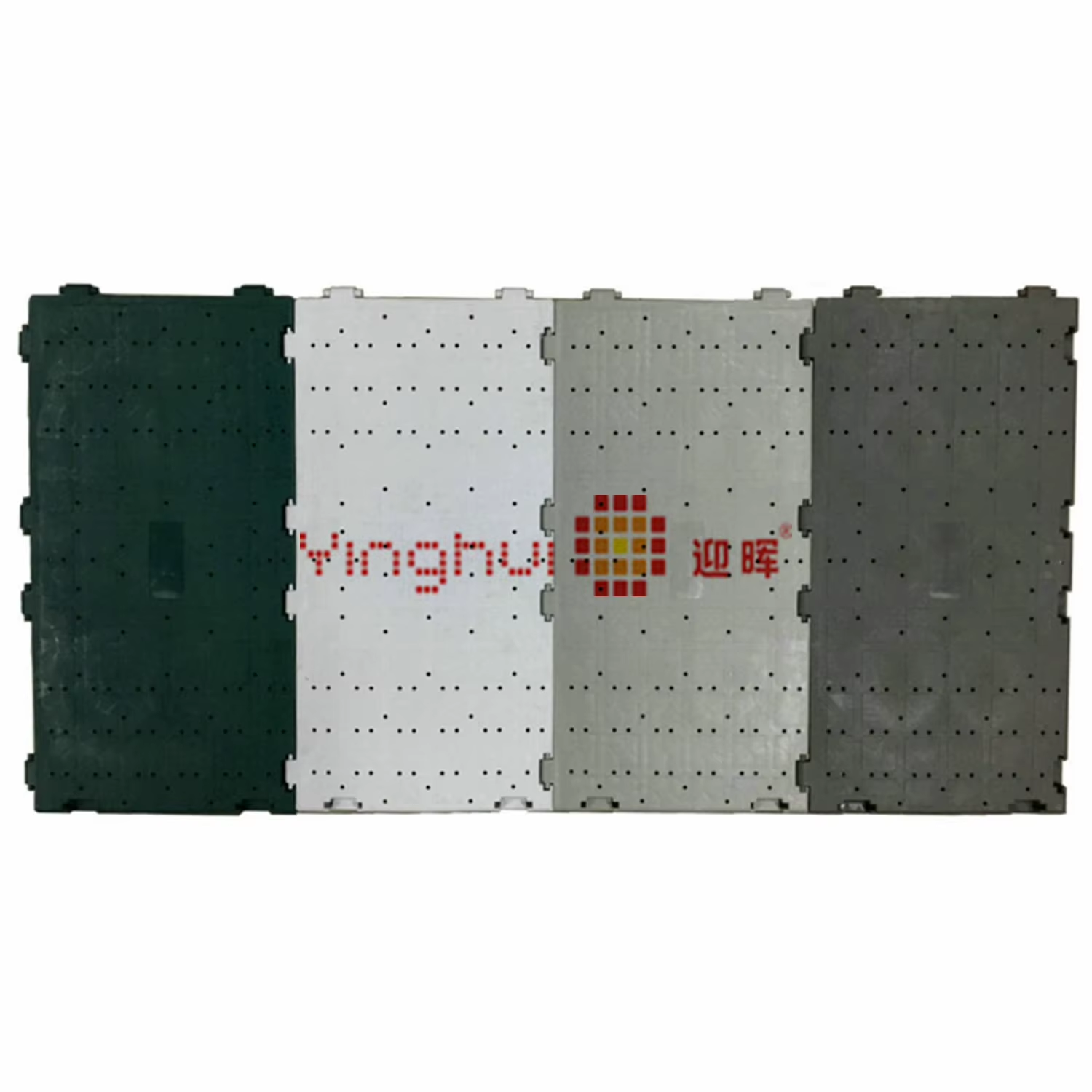
Stadium turf protection panels are essential for maintaining the integrity of grass and synthetic fields during events. Stadium keepers often refuse to work with anything but high-quality turf protection panels, as these products directly impact field preservation, safety, and overall presentation. We will address key specifications, purchasing considerations, installation guidance, common problems, and material advantages of stadium turf protection panels. This information will help buyers, including purchasing managers and stadium operators, make informed decisions when selecting the right temporary stadium panels for their needs.
Key Specifications of High-Quality Turf Protection Panels
When evaluating turf protection panels, several key specifications should be considered to ensure they meet the demands of your venue. Firstly, the thickness of the panels is crucial; it affects their durability and ability to withstand foot traffic. Panels typically range from 1/4 inch to 1 inch thick, depending on the expected load and usage frequency.
Another important factor is the load-bearing capacity, which is often measured in pounds per square foot (PSF). High-quality turf protection panels should support significant weight without compromising the turf beneath. For instance, panels designed for heavy events may need a load capacity of 200 PSF or more.
The material composition also plays a vital role in performance. Most turf protection panels are made from high-density polyethylene (HDPE) or polypropylene, materials known for their strength and resistance to weather conditions. Additionally, UV protection is essential for outdoor applications to prevent degradation from sun exposure.
Interlocking designs are common in high-quality panels, allowing for easy installation and removal. This feature is particularly beneficial for venues that require quick setup and takedown between events. Buyers should ensure that the panel design facilitates seamless connections to prevent gaps that could damage the turf.
Wholesale Purchasing Considerations for Turf Protection Panels
When sourcing turf protection panels, there are several wholesale purchasing considerations to keep in mind to ensure optimal value and performance. First, assess the minimum order quantity (MOQ) required by suppliers. Some manufacturers may impose higher MOQs for custom orders, while others offer more flexibility with standard products.
Price is another critical factor. Buyers should obtain quotes from multiple suppliers to compare costs, but it’s important to remember that the lowest price does not always equate to the best value. Consider the long-term durability and performance of the panels as these can impact maintenance costs and turf preservation over time.
Additionally, verify the supplier's reputation and experience in the industry. A manufacturer like Guangdong Lokang Sports Technology Co., Ltd., which has sold products to over 72 countries, indicates a level of trust and reliability in their offerings. Look for testimonials or case studies from other stadium operators who have successfully used their stadium turf protection flooring.
Lastly, inquire about lead times. Understanding how long it will take for your order to be processed and delivered is essential for planning events. Reliable suppliers should provide clear timelines and be responsive to any changes in demand.
Expert Installation Guidance for Stadium Turf Protection Panels
Proper installation of turf protection panels is critical for maximizing their effectiveness and safeguarding the underlying turf. Before beginning installation, it is essential to prepare the field by ensuring the turf is clean and free of debris. Any protruding objects like rocks or roots should be removed to prevent damage to the panels or turf.
Begin by laying out the panels in the desired configuration, starting from one corner of the field. Interlocking panels should be connected according to the manufacturer’s guidelines, ensuring that each piece fits snugly to prevent movement during use. It’s advisable to have at least two people during the installation process to manage the weight and alignment of the panels effectively.
Once the panels are laid out, ensure that they are level and properly aligned. Any discrepancies can lead to uneven surfaces, which can pose safety hazards for users. Regular checks during installation can help catch any issues early on.
After installation, it’s recommended to conduct a thorough inspection before the field is used for events. Confirm that all panels are secure and that there are no gaps that could damage the turf. Regular maintenance checks should also be scheduled to ensure the panels remain in good condition throughout their use.
Common Problems with Turf Protection and Effective Solutions
Despite their importance, turf protection panels can encounter common issues that may hinder their effectiveness. One frequent problem is panel slippage, which can occur during heavy foot traffic. This can be mitigated by ensuring that interlocking designs are correctly aligned and considering the use of additional securing methods like stakes or adhesive strips if necessary.
Another issue is panel wear and tear due to environmental exposure. Panels may become brittle or discolored from prolonged sun exposure or harsh weather. To combat this, select panels with UV protection and consider storing them in a shaded area when not in use.
Additionally, panels can become stained or damaged from spills or heavy equipment. To address this, buyers should consider panels that are easy to clean and resistant to stains. Regular maintenance and cleaning protocols should be established to prolong the lifespan of the panels and maintain their appearance.
Lastly, improper installation can lead to uneven surfaces, which can create safety hazards. Always follow manufacturer guidelines and conduct routine inspections to catch any potential issues early.
Evaluating the Material Advantages of Stadium Turf Protection Panels
The material used in turf protection panels greatly influences their performance and longevity. High-density polyethylene (HDPE) and polypropylene are the most common materials, each offering distinct advantages. HDPE is known for its high strength-to-weight ratio, making it ideal for heavy-duty applications. It is also resistant to moisture and chemicals, ensuring durability even in challenging environments.
Polypropylene, on the other hand, is lightweight and offers excellent impact resistance. This material is particularly beneficial for panels that need to be moved frequently, as it reduces labor costs associated with installation and teardown.
Both materials can be treated with UV inhibitors, which extend their lifespan by preventing degradation from sun exposure. Buyers should inquire about these treatments when considering options. It’s also essential to evaluate the panel's texture; a textured surface can provide better grip and reduce slip hazards, especially during wet conditions.
Ultimately, the choice of material should align with the specific needs of the venue, including expected foot traffic, environmental conditions, and maintenance capabilities. Consulting with experienced manufacturers can provide valuable insights into which Stadium turf protection material will best suit your application.
By understanding these facets of stadium turf protection panels, buyers can make informed decisions that will enhance the safety, appearance, and longevity of their fields.